Emergency Water Removal
If water is moving through your house as you read this, stop it at the source first; the five moves below start with how. Then log the leak on the request form with your address and what happened. Everything else on this page can wait until the water stops.
Before anyone arrives: five moves
- Stop the water at its source. Fixture valves first — under the sink, behind the toilet, on top of the water heater. Can't find it or can't turn it? Kill the main: in most homes here it's at the meter box near the street or where the line enters the house.
- Cut power to wet areas only if you can do it safely. Flip the breakers for affected rooms from a dry spot. If the panel itself is near the water, leave it alone and say so on the request form; don't stand in water to reach electricity, ever.
- Move what water ruins fastest. Rugs, electronics, books, anything wood-legged sitting in the wet. Foil or plastic under furniture feet you can't move stops stain transfer into wet carpet.
- Don't run the ceiling fan under a sagging ceiling — and don't poke the bulge. A water-loaded ceiling drops without warning. Clear the room and leave it for the crew to relieve in a controlled way.
- Photograph as you go. Wide shots of each affected room, close-ups of the source. Thirty seconds of photos now does more for your claim than an hour of description later.
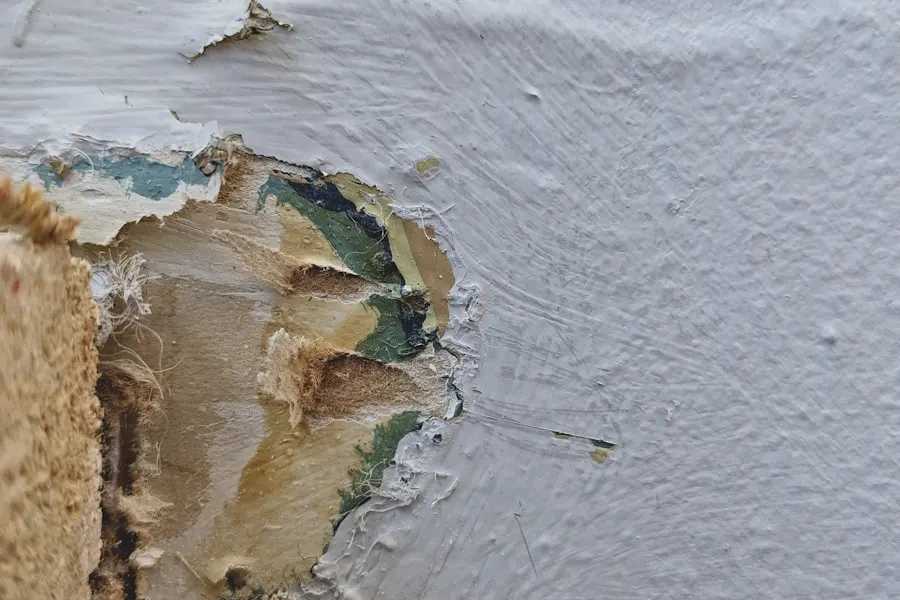
The three failures behind most of these emergencies
Burst pipes and supply lines. The braided line to a toilet or washer, an aging fitting inside a wall, a pinholed copper run — small openings move astonishing volumes. A half-inch line can put hundreds of gallons into a house in an hour, which is why the shutoff, not the mop, is always step one. Older homes around Cantonment and Milton carry the highest share of these; newer Pace subdivisions are starting to see their builder-grade fittings reach failure age.
Water heater failures. Tanks rust from the inside out and rarely announce it. When the bottom lets go, forty to eighty gallons release at once and the supply line keeps feeding the leak until someone closes the valve. If your tank sits in the garage you may get lucky with drainage; in an interior closet or attic, the water finds bedrooms and hallways fast.
Roof leaks during storms. Gulf squalls drive rain sideways, and a lifted shingle or failed flashing becomes an open tap in a downpour. Water tracks along rafters and shows up far from the entry point. The usual sequence: tarp what's reachable and safe, extract what came in, and dry the attic insulation and ceiling cavities that soaked — the part homeowners most often miss.
What happens when the crew arrives
Extraction should start immediately — pumps for depth, weighted extractors for carpet, and a moisture map to establish how far the water traveled beyond what's visible. From there the job becomes a standard dry-out: remove what can't be saved, place drying equipment by calculation, log readings daily, verify dry-standard before the equipment leaves. A middle-of-the-night loss needs the same documentation as a noon one, because your adjuster won't grade on a curve. And the clock is real — mold can start on wet materials within 24–48 hours.
Water doesn't keep business hours. Shut it off, then send the request.
Emergency extraction across Cantonment, Milton, Pace, Navarre, Gulf Breeze & Pensacola. Log the leak on the request form with your address and what happened.
Start a Dry-Out Request