Water Damage Restoration in Pensacola, FL
Inspect, extract, dry, verify — the four moves that turn a soaked house back into a dry one, with the meter readings to prove it and the paperwork your claim will need.
What it costs, honestly
Nobody budgets for water damage, so here are the real numbers up front. The figures below reflect what jobs in this market actually run; your number depends on wet square footage, how long the water sat, and what category of water it was.
| Scenario | What it usually runs | What puts you here |
|---|---|---|
| Typical residential dry-out | $2,000–$6,000 | One or two rooms wet from a clean-water source — pipe, water heater, appliance line — with drying started within a day or so. |
| The local average job | ~$3,867 | The middle of the road for this metro: several hundred square feet affected, some material removal, 3–5 days of machine drying. |
| Severe / Class 3 loss | up to $15,000 | Water across a whole floor or up the walls, damage that sat before anyone called, or contaminated water requiring removal and disinfection. |
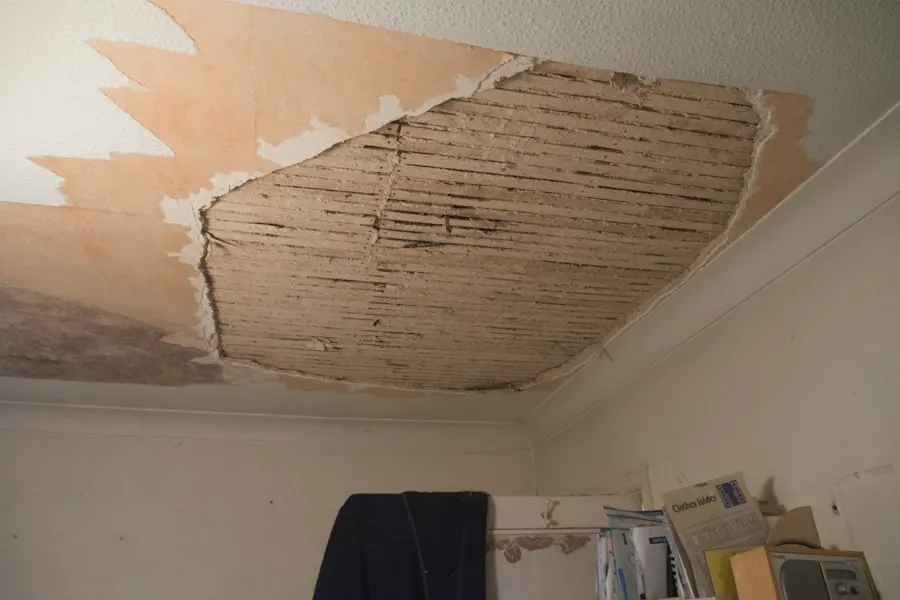
The four stages, in order
- Inspect and map. The source gets confirmed stopped, then the crew traces how far the water actually went. Moisture meters and thermal readings find the wet you can't see — inside wall cavities, under vinyl plank, along sill plates. The map decides everything that follows, and it's photographed for the claim file before anything moves.
- Extract. Standing water comes out by pump and extractor, soaked carpet pad and ruined materials come out with it. What can be saved is saved; what can't is documented and removed. Getting pounds of water out mechanically saves days of drying time.
- Dry. Commercial dehumidifiers and air movers, placed by calculation rather than habit, run around the clock. In Gulf Coast humidity you cannot open the windows and hope — the outside air is often wetter than the inside of your walls. Readings get checked and logged daily, and equipment is adjusted as the structure releases moisture.
- Verify. The job ends at dry-standard, not at "feels dry." Wood, drywall, and framing get final meter readings, the log goes in your file, and you keep a copy — useful for the adjuster now and for your own peace of mind when you sell the house later.
The claim, handled like it matters
Sudden failures — supply lines, water heaters, washing-machine hoses — are the losses most homeowners end up filing, and the difference between a smooth claim and a fight is usually the record. A good one is thorough by default: pre-work photos, daily readings, an itemized scope. Ask the company doing the work to coordinate directly with your adjuster if you want it to. But the relationship is simple and worth stating: you are the customer. When there's a judgment call about what to remove versus dry in place, you should get both options with prices, not a decision made over your head.
One process, five very different towns
The dry-out discipline never changes; the houses do. Around Cantonment and Milton the work is often in older housing stock — pier-and-beam floors, aging galvanized and polybutylene supply lines, water heaters past their design life. In Pace and Navarre it's newer slab construction where water spreads wide and shallow across a whole floor plan fast. Gulf Breeze adds salt air and waterfront exposure to the mix. If your situation is happening right now, skip to the emergency page — it covers what to do before any truck arrives.
Questions homeowners ask us
How much does water damage restoration cost around Pensacola?
How long will the drying equipment be in my house?
Will insurance pay for this?
Can't I just point fans at it?
Get the number before the mold clock runs out.
Dry-outs across Cantonment, Milton, Pace, Navarre, Gulf Breeze & Pensacola.
Start a Dry-Out Request